
‘Are you insured?’ is necessary, but it is not enough. A certificate of insurance does not tell a property manager whether the coverage fits the work, whether risk is being managed well, or how a contractor behaves when an incident occurs.
A certificate is only the beginning
PMs should understand coverage type, limits, deductibles, exclusions, additional-insured requirements, and whether subcontractors carry appropriate coverage.
Deductibles deserve a special call out. Some contractors do not have the proper processes in place or have a poor track record, resulting in high insurance premiums. One way to bring the premium price down is to significantly increase the deductible. But high deductibles may mean that a contractor must walk away from a contract after a deductible is triggered or risk going out of business. It pays to ask what deductible a contractor is required to pay when a claim is made.
Match insurance to the exposure
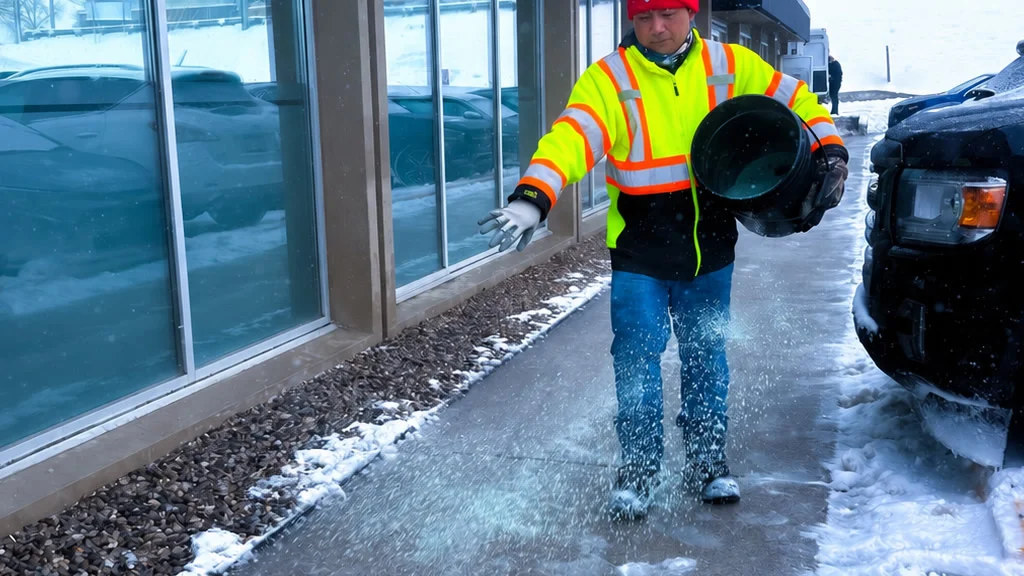
A low-risk summer service and a high-exposure winter contract may not justify the same risk requirements.
Insurance does not replace procedures
Good documentation, training, safety systems, incident response, and contract language are what reduce the likelihood and severity of claims.
Review the contract with qualified advisors
Insurance and indemnity provisions can have significant legal consequences. PMs should involve their broker, insurer, or legal counsel where appropriate rather than relying on a contractor’s interpretation.
The property-management takeaway
Treat insurance as one layer of risk management, then verify that contracts, procedures, documentation, and safety systems support it.
How LECM fits
LECM maintains commercial liability coverage, COR safety certification, operating procedures, in-house legal counsel, and service documentation as part of its broader risk-management approach.
Risk management should be part of contractor selection, not something reviewed after an incident. Talk to us about the operational systems, documentation, safety practices, and insurance considerations that should be part of evaluating an exterior contractor.